
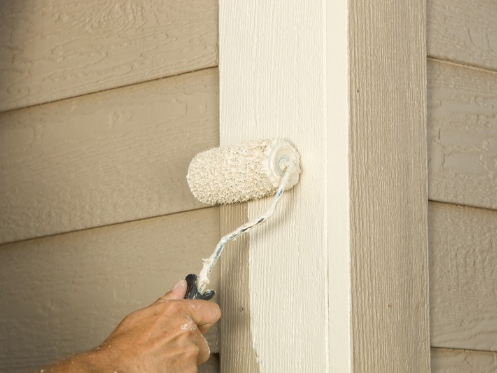
A fresh coat of paint can transform a single room or your entire home exterior, but a professional finish involves more than just picking a color. The secret to a durable paint job often lies in preparation, specifically using a primer. While primer isn’t necessary for every project, knowing when to use it is key to getting results that last.
Whether or not you need primer depends on the surface’s condition and the type of material you’re painting. For Phoenix homeowners, where intense sun and heat can be tough on exterior surfaces, proper preparation is especially important. Here’s when you need primer for interior and exterior painting and when you can skip it.
What Is Paint Primer and What Does It Do?
Think of primer as the foundation for your paint. It’s a preparatory coating applied before the final coat of paint. It creates a uniform, sealed surface ready for paint. While it might look like white or tinted paint, primer is formulated differently and serves a distinct purpose.
The main benefits include improved adhesion, better stain blocking, and a more even final appearance. It helps paint stick better, prevents underlying marks from showing through, and ensures the topcoat goes on smoothly. Using the right primer can also help extend the life of your paint job, particularly on exterior surfaces exposed to harsh weather.
When Do You Need Primer Before Painting?
Certain situations call for a coat of primer to ensure a high-quality, long-lasting finish. This applies to interior walls as well as exterior surfaces, where exposure to sunlight, moisture, and temperature changes can affect paint adhesion and durability.
- New Drywall: Seals porous drywall and joint compound to prevent uneven paint absorption.
- Bare Wood: Seals exposed wood and helps prevent tannins from bleeding through the finish.
- Stained or Discolored Walls: Blocks water stains, smoke damage, and other marks from showing through.
- Dark-to-Light Color Changes: Helps cover dark base colors and achieve more even coverage with lighter paint.
- Glossy or Slick Surfaces: Improves paint adhesion on surfaces that don’t readily accept new coatings.
- Repaired or Patched Walls: Seals repaired areas to prevent uneven absorption and blotchy finishes.
- New or Bare Stucco: Helps seal porous masonry and creates a more consistent foundation for exterior paint.
- Exposed Exterior Masonry: Reduces uneven absorption on suitable concrete and masonry surfaces.
- Weathered Exterior Surfaces: May require a compatible primer after chalking, peeling paint, and other deterioration have been properly addressed.
- Bare Metal: Helps paint adhere and can provide corrosion protection when an appropriate metal primer is used.
Do You Need Primer Before Exterior Painting in Phoenix?
Exterior painting doesn’t always require primer, but the condition of your home’s existing paint and the material underneath are important factors. Phoenix homes face intense sunlight, extreme summer heat, dust, and seasonal storms. Over time, these conditions can wear down exterior coatings, leaving surfaces faded, chalky, cracked, or peeling.
For residential exterior painting in Phoenix, we evaluate the existing surface before determining whether primer is necessary. A well-adhered coating may provide a suitable base for new paint, while damaged or exposed materials often need additional preparation.
Priming Stucco and Masonry
Stucco is one of the most common exterior finishes on Phoenix homes. Because it’s porous, new or unpainted stucco often needs a masonry primer to help seal the surface and promote consistent paint coverage. Fresh stucco must also be properly cured and prepared before applying the appropriate coating system.
Previously painted stucco may not need a full coat of primer if the existing finish is sound and properly prepared. However, areas with exposed stucco, repairs, or significant deterioration may require spot priming or a specialized masonry product.
Priming Sun-Damaged or Peeling Exterior Paint
Arizona’s intense UV exposure can gradually break down exterior paint. One common result is chalking, which leaves a powdery residue on the surface. Painting directly over that residue can interfere with adhesion, even if you apply primer first.
Chalky surfaces need thorough cleaning, and any loose or peeling paint must be removed. If the remaining surface is still chalky after proper preparation, a compatible masonry conditioner or bonding primer may be necessary. Exposed areas also need to be evaluated for priming before the finish coats are applied.
Priming Exterior Wood and Metal
Exterior trim, fascia boards, doors, and other wood features often need primer when the existing paint has worn away. Bare wood absorbs paint unevenly, and certain species contain tannins that can discolor the finish. A suitable exterior wood primer helps address these problems.
Metal surfaces require different products. Bare steel and other corrosion-prone metals may need a rust-inhibiting primer, while aluminum and galvanized surfaces require coatings compatible with those materials. Choosing the right primer helps the new paint adhere and provides protection against premature deterioration.
When Can You Skip Primer?
While primer is a powerful tool, you don’t always need it. You can often get great results without this extra step. For instance, you may not need a separate primer if you’re repainting a clean, previously painted interior wall that’s in good condition with a similar color and sheen.
The same can apply to exterior painting. If your home’s existing paint is firmly attached, free of significant chalking or peeling, and compatible with the new coating, a separate primer may not be necessary. However, even when most of the exterior doesn’t need primer, exposed or repaired areas may still require spot priming.
Whether you’re painting inside or outside, you should never skip preparation. Surfaces must be clean, dry, and free of loose paint or other contaminants. Exterior surfaces may also need scraping, sanding, repairs, or cleaning before painting begins.
Can You Use Paint and Primer in One?
You’ve likely seen “paint-and-primer-in-one” products on store shelves. These paints are formulated to provide good coverage and adhesion on suitable surfaces. They work well for situations where you might otherwise skip a separate primer, such as repainting a wall in good condition with a similar color.
Some exterior paints also offer self-priming capabilities on properly prepared surfaces. However, that doesn’t mean they’re suitable for every exterior painting project. Bare stucco, exposed wood, deteriorated paint, and other challenging materials may still need a dedicated primer.
For new drywall, significant stains, glossy surfaces, or exterior materials requiring specialized sealing or bonding, a separate primer is generally the better choice. Always check the paint manufacturer’s recommendations for the specific surface you’re painting.
How to Choose the Right Primer for Your Painting Project
Not all primers are created equal. Choosing the right type for your specific project is essential for the best outcome. Interior walls, exterior stucco, bare wood, and metal surfaces have different requirements, so the primer should match both the material and the conditions where it’s being used.
- Water-Based Primer: A versatile option for many interior and exterior applications, depending on the product.
- Oil-Based Primer: Useful for sealing certain types of bare wood and blocking stains when compatible with the finish coat.
- Shellac-Based Primer: Effective for blocking stubborn stains and odors, particularly on interior surfaces.
- Bonding Primer: Formulated to improve adhesion on glossy, slick, or otherwise difficult-to-paint surfaces.
- Masonry Primer: Designed for suitable stucco, concrete, and masonry surfaces to improve sealing and paint adhesion.
- Metal Primer: Helps prepare bare metal for painting and may provide rust protection, depending on the formulation.
For exterior projects in Phoenix, it’s especially important to select products approved for outdoor use and compatible with the existing surface. Application conditions also matter, since extreme surface temperatures can affect how primers and paints dry and cure.
What Happens If You Don’t Prime Before Painting?
Skipping primer when it’s needed can lead to problems that undermine your hard work. Without a proper foundation, your paint may peel or chip prematurely because it couldn’t adhere to the surface. You might also notice stains or the old wall color showing through, no matter how many coats you apply.
Exterior paint failures can be particularly frustrating in Phoenix. If porous stucco isn’t properly sealed, the finish may absorb unevenly or develop an inconsistent appearance. Painting over deteriorated coatings without the necessary preparation can also contribute to premature peeling, especially after prolonged exposure to intense sun and seasonal weather.
These problems often mean you’ll use more paint and spend more time trying to achieve an even finish. In the long run, skipping necessary priming and preparation can result in a paint job that fails sooner than expected. Taking the time to prepare each surface properly helps protect your investment and extend the life of the finish.
Get a Professional, Long-Lasting Paint Finish With Robo Painting
Knowing when to use primer is critical for a successful painting project. Whether you’re refreshing an interior room or repainting your home’s exterior, the right preparation helps create a smooth, durable finish. At Robo Painting, we assess each surface, select appropriate products, and handle the preparation needed for professional results.
For expert residential painting services in Phoenix, AZ, contact Robo Painting today!