
If you are in the market to upgrade your garage with Gilbert garage floor coatings, look no further than the team at Robo Painting for your installation. Our experienced team uses the highest-quality materials at flexible and affordable prices to find a flooring solution that works for you. Learn more today by reaching out to the Robo Painting team for a free estimate.
Garage Floor Coatings in Gilbert, AZ
We Offer Financing
Take advantage of financing options on approved credit for a variety of services. Contact us today to get started!
What Are Polyaspartic Floor Coatings?
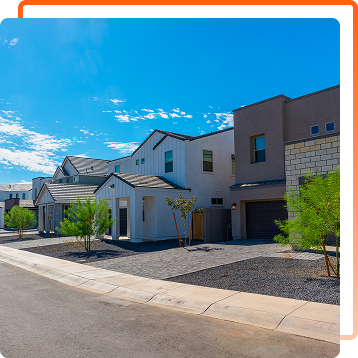
Polyaspartic floor coatings are a strong and flexible group of floor coatings that have become very popular among homeowners thanks to their flexibility, durability, and longevity. Homeowners looking for a high-quality choice to protect high-traffic floors in the home, like the garage, have been choosing polyaspartic coating as a low-maintenance solution to flooring. Request a free estimate
Why Choose Robo Painting for Garage Floor Coatings in Gilbert?
Robo Painting has been a trusted name in Arizona for more than two decades, and we’re proud to be one of the top choices for garage floor coatings in Gilbert. When working with us, you can expect:
- Our team brings years of hands-on experience to every garage floor project, ensuring a smooth and professional finish.
- We offer honest, competitive quotes so you know exactly what to expect.
- We believe that the little things matter. From your initial consultation to a thorough cleanup once the job is done, we’re committed to doing the job right.
- We source high-quality polyaspartic coatings that are made to last, even in the toughest garage environments.
Benefits of Polyaspartic Floor Coatings
When it comes to long-lasting and durable floor coatings, polyaspartic is the top choice for high-traffic areas in your home.
Durable and Long-Lasting
Polyaspartic coating is known for being a very durable flooring solution. Investing in floor coating for your garage floors adds a layer of protection to your floors that is resistant to damage and will last for years to come.
Chemical Resistance
Polyaspartic coating is resistant to damage from harsh chemicals, making it an excellent choice for garages, where many homeowners store cleaning supplies, oils, or other abrasive materials.
UV Stability
One benefit of polyaspartic coating is its UV resistance, making it an excellent choice for garages that are exposed to sunlight regularly. It won’t fade, yellow, or lose its shine, even if you forget to close the garage door on a few sunny summer afternoons.
Easy to Maintain and Clean
Polyaspartic floors are easy to maintain and clean: with regular sweeping, mopping, and cleaning up any spills as they occur, you can ensure your floors will stay looking fresh for years to come.
How to Maintain Polyaspartic Floor Coatings
Polyaspartic floor coatings are low maintenance but, like many areas of your home, there are still a few habits you can get into to help them stay in great condition.
Sweep or Vacuum Regularly
A lot of foot and vehicle traffic can lead to dirt and debris, which can become abrasive to your floors when left to build up over time. Regularly sweeping or vacuuming your polyaspartic-coated floors can help remove the buildup and keep your floors in excellent condition.
Spot-Clean Stains
Acting fast when messes or stains occur can go a long way when it comes to keeping your polyaspartic floors in great shape. If you are dealing with spills from abrasive materials, like battery acid or oils, letting them sit for too long can wear down even the chemical-resistant materials in polyaspartic coating. A quick cleanup will help ensure no stains or abrasions occur due to chemical spills.
Mop With a pH-Neutral Cleaner
To keep your polyaspartic floors looking their best, make mopping with a pH-neutral cleaner part of your regular routine. This will aid in maintaining your floor’s shine and color. Choosing gentle cleaners will help maintain the floor’s shine and color without the risk of damage from harsh, acidic chemicals.
Avoid Abrasive Cleaners
Polyaspartic floors are chemical resistant, but exposure to harsh cleaning solutions regularly can lead to breakdown and damage. Choosing gentle cleaners will help maintain the floor’s integrity without the risk of damage from harsh, acidic chemicals.
Seal Polyaspartic Floor Coating Regularly (Optional)
To keep your polyaspartic floors looking their best for years to come, consider adding a professional sealing once or twice a year. This extra layer helps refresh the surface and adds another level of protection against daily wear and tear. If you’re looking to maintain that just-installed look, Robo Painting offers routine sealing services to help keep your floors in the best shape.
Polyaspartic vs. Epoxy Garage Floor Coatings
Epoxy and polyaspartic are the two most common garage floor coatings. Epoxy is a polymer coating that is generally a more cost-efficient investment, while polyaspartic is a more advanced hybrid coating that is known for its strength and longevity. While polyaspartic may cost more up front, its durability and longevity make it a smart long-term investment for homeowners. Epoxy also requires a longer installation period, as it takes 16 hours to dry and cure, compared to one hour with polyaspartic coating.
Gilbert Garage Floor Coating FAQs
Polyaspartic floor coatings typically cost between $4 and $9 per square foot, depending on the condition of the concrete and other project details. A standard two-car garage of about 400 square feet may cost $1,600 to $3,600, while a one-car garage averaging 240 square feet typically ranges from $960 to $2,160.
Polyaspartic garage floor coating is more than a visual upgrade—it’s a durable, low-maintenance investment that gives your garage a clean, professional finish. Whether you plan to stay in your home long term or are considering resale, this upgrade can add lasting value and appeal.
When installed properly using high-quality materials, polyaspartic floor coatings can last 20 years or more. Working with an experienced contractor and following basic maintenance practices helps ensure your floors stand up to daily use and retain their appearance over time.

Get a Free Estimate for Garage Floor Coating in Gilbert, AZ
Robo Painting’s team of experienced and reliable garage floor experts is ready to help you customize your garage with a durable and long-lasting flooring solution. Contact our team today to get started with a free estimate.
See What Our Customers Are Saying About Us!
We were very pleased with the work Robo Painting did on our whole house exterior painting. From the estimate to completion, they were always on time, professional, and courteous. Price was midrange and completely worth it for peace of mind in service and quality. Thank you for sprucing up our home. It looks wonderful!

Get in touch with us Contact Our experts
We’re here to help you plan your next painting project.
©2026 Robo Painting
License #ROC 326363
All Rights Reserved
Privacy Policy
We carry liability and worker's comp policies. Call us for more details